

The Clock Is Ticking: Six Weeks Until Disaster
Europe is facing an unprecedented energy crisis that could fundamentally reshape global travel. According to the International Energy Agency, the continent has roughly six weeks of jet fuel remaining before supplies run critically low. For travelers, airlines, and economies worldwide, this timeline represents a wake-up call unlike any in recent history.
Fatih Birol, Executive Director of the International Energy Agency, made the sobering assessment clear: “In Europe, we have maybe six weeks or so of jet fuel left. What is happening now is the largest energy crisis we have ever faced in history.”
The implications are staggering. San Francisco International Airport, which operates numerous routes to and from Europe, faces the possibility of reduced service and potential flight cancellations. This isn’t merely a logistical inconvenience—it’s a politically driven economic threat poised to ripple across the globe.
Where the Problem Originates
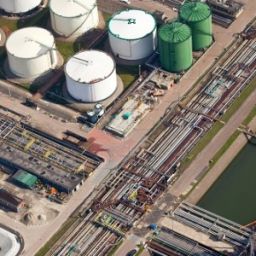
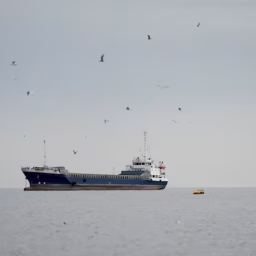
Understanding this crisis requires looking at global petroleum infrastructure. The Strait of Hormuz, a critical maritime chokepoint, serves as a vital passage for oil and refined petroleum products heading toward Europe. When disruptions occur here, the consequences cascade throughout the energy markets worldwide.
Professor Severin Borenstein, a respected energy and airline economist at UC Berkeley’s Haas Energy Institute, explains the mechanics: “A lot of the jet fuel is produced at the new, massive refineries in the Middle East, and they’re not able to get product out. That typically goes to Western Europe and so Western Europe is seeing the biggest shortage.”
The root cause traces back to geopolitical tensions that have disrupted the normal flow of energy resources through this critical corridor. Western Europe, heavily dependent on Middle Eastern refineries, bears the brunt of the shortage. Other regions, less reliant on these specific supply chains, face less immediate pressure—but the problem will eventually spread everywhere.
A Shift in Global Power Dynamics
What’s particularly notable about this crisis is what it reveals about international power structures. Professor Borenstein observes that Iran, through its actions in the region, has stumbled upon extraordinary economic leverage: “The Iranians have clearly discovered in this war that they have much more power over the world economy that they or anyone else thought they would have at this point.”
This represents a dramatic shift in geopolitical reality. Nations typically exercise economic power through traditional channels like trade and technology. Yet energy disruption—particularly in strategic locations—has proven to be one of the most effective tools available to smaller nations willing to use it.
Airlines Already Feeling the Pressure
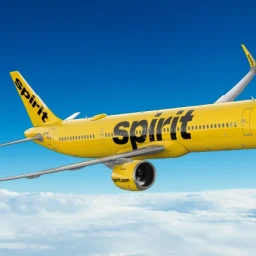
The crisis isn’t theoretical. Ten major airlines worldwide have already taken drastic action. Some have raised ticket prices substantially. Others have reduced service, downsized their fleets, or eliminated routes entirely. These moves represent just the opening moves in what could become a much larger industry contraction.
What makes this situation so dire is the finality of it. Unlike other economic pressures that can be managed or worked around, jet fuel shortages are absolute. Once airlines exhaust existing reserves and can no longer access new supplies, operations simply cease. There’s no substitute, no workaround, no alternative when the tanks run empty.
The Bankruptcy Scenario
Professor Borenstein paints a grim picture of what happens if the geopolitical situation doesn’t improve: “If we see the war go on as long as it’s already gone on, without the Strait of Hormuz being opened up. At that point, we’re gonna start to see many airlines filing for bankruptcy, grounding the majority of their flights and a real disruption in the industry.”
This isn’t hyperbole. When airlines can’t afford fuel or can’t obtain it at any price, they can’t operate. Bankruptcy becomes inevitable. The industry contracts sharply. Travel becomes increasingly restricted and expensive.
Ticket Prices Headed Skyward
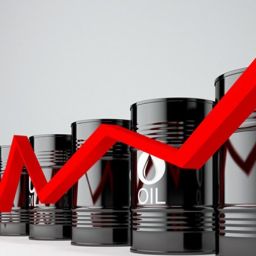
For consumers, the economic impact is already becoming visible in rising airfares. As fuel becomes scarcer and more expensive, airlines pass those costs directly to passengers. “If this continues, jet fuel prices are gonna go even higher and we will see a smaller and smaller industry, which is what you would expect,” Borenstein explains.
The result is a vicious cycle. Higher prices reduce demand. Fewer passengers make routes unprofitable. Airlines eliminate those routes. Remaining flights become even more expensive as competition shrinks and operational costs stay high. Eventually, air travel transitions from an essential service to a luxury good accessible primarily to wealthy travelers.
The Perfect Storm: Timing and Season
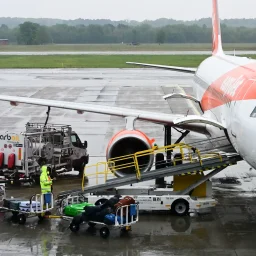
The timing couldn’t be worse. Europe’s current six-week jet fuel supply runs out precisely when travel demand peaks. Summer vacation season is approaching—historically the busiest time for transatlantic flights. The shortage will hit during maximum demand, amplifying disruptions and stranding countless travelers.
As Piero Ferracuti, a frequent flyer at San Francisco International Airport, observes: “It’s a dire situation because six weeks out puts us right at the beginning of the high peak travel season to Europe. I think it would be a real mess. It will be a big detriment to everyone. I think it could be really tense.”
Voices from the Airport
Travelers are already bracing for the worst. Margarite Ausseau, a French passenger, acknowledges the severity: “I think it would be a real mess. It will be a big detriment to everyone. I think it could be really tense.”
When asked about potential alternatives, Ausseau points to Europe’s extensive infrastructure: “We have a lot of trains and a lot of other means of transportation. Europeans may rediscover Europe without airplanes.” It’s a fitting observation—while jet travel may become impossible, alternative transportation networks remain functional.
The Bigger Picture: A New Kind of Competition
This energy crisis represents something more fundamental than a temporary shortage. It illustrates how control of critical resources translates into geopolitical power. Nations with access to energy can project influence globally. Those dependent on imported energy face vulnerability.
In a broader sense, this blockage creates a modern form of resource competition. Nations worldwide suddenly find themselves competing for diminishing energy supplies. It’s a fight that could reshape international relationships, trade patterns, and economic systems. The stakes extend far beyond the airline industry.
Who Pays the Price
Ultimately, consumers bear the cost. Higher ticket prices, fewer flight options, longer travel times due to limited availability—these consequences touch everyone who travels. Businesses dependent on air transport face increased operating costs. Tourism industries face reduced visitors. The economic ripple effects spread through interconnected global systems.
The situation underscores a critical reality: energy security is national security. Nations without diversified energy sources face vulnerability to disruption. Those dependent on specific geographic sources—like Europe’s reliance on Middle Eastern refineries—face particular exposure.
Looking Ahead
The next six weeks will prove critical. If the geopolitical situation improves and the Strait of Hormuz reopens to normal traffic, the crisis could be averted. But if current tensions persist, the aviation industry faces an existential challenge.
What’s certain is that this crisis exposes fragilities in global energy systems. It demonstrates how a single geographic chokepoint can threaten worldwide economic activity. It reveals how energy power translates into geopolitical leverage.
For travelers planning European vacations, for airlines planning schedules, for economies dependent on tourism—the question is no longer if disruptions will occur, but how severe they’ll become and how long they’ll last.
The clock is ticking. Six weeks until Europe faces an unprecedented energy shortage. What happens next will reshape global travel as we know it.