

A Fragile Diplomatic Moment
The US-Iran peace talks have reached a pivotal stage, with Washington expressing cautious optimism that negotiations in Pakistan will move forward. Yet, with the two-week ceasefire about to expire, diplomatic tensions remain high, and uncertainty clouds the path ahead.
According to officials from both sides, Tehran is actively weighing its participation, while the United States appears confident that dialogue will continue. Still, a series of recent incidents — including the seizure of an Iranian vessel and tough rhetoric from both governments — has added fresh strain to an already delicate situation.
Talks Reportedly Back on Track
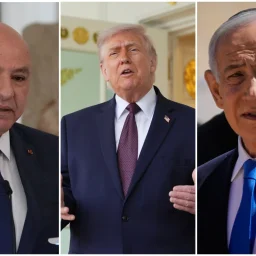
A Pakistani source close to the discussions told Reuters that momentum is building for a second round of negotiations, likely to take place on Wednesday. Speaking on condition of anonymity, the source said preparations are moving forward smoothly and even hinted that US President Donald Trump could join the session — either in person or virtually — if a deal appears within reach.
Reports from Axios and the Wall Street Journal suggest that US Vice President JD Vance is expected to travel to Pakistan on Tuesday, while Iran has reportedly informed regional mediators that it will also send a delegation. Though Reuters has not independently confirmed these reports, an Iranian official said Tehran is “positively reviewing” its role in the upcoming discussions but has yet to make a final decision.
Oil Markets React to Renewed Optimism
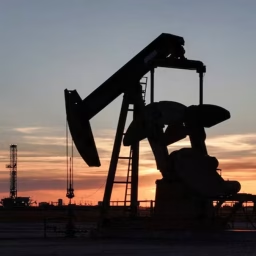
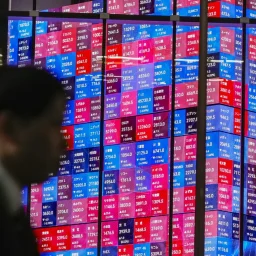
Global markets responded quickly to the possibility of renewed dialogue. Oil prices dropped more than a dollar, and Asian stock markets rebounded in early trading as investors grew hopeful about a diplomatic breakthrough.
Brent crude futures fell by 1.1% to $94.44 a barrel, while US West Texas Intermediate slid 1.9% to $87.95. The shift comes after a sharp 6% jump on Monday, when doubts about the talks briefly sent prices soaring.
The volatility underscores just how closely financial markets are tracking developments in the US-Iran peace talks, as any escalation could send shockwaves through the global energy sector.
Tensions Persist Despite Diplomatic Signals
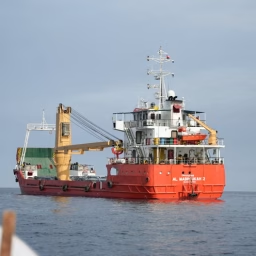
Even as negotiators prepare to meet, tensions between Washington and Tehran remain visibly high. Iranian officials have strongly condemned the United States’ blockade of Iranian ports and the recent interception of the commercial vessel Touska on Sunday. Tehran labeled these actions as clear violations of the ceasefire and warned that they are undermining the diplomatic process.
A senior Iranian military commander cautioned that Iran’s forces are prepared to respond “immediately and decisively” to any further provocation, according to the semi-official Tasnim news agency. Meanwhile, Iran’s ambassador to Pakistan, Reza Amiri Moghadam, emphasized on social media that a nation with a proud civilization would never negotiate under pressure or threat.
Top Iranian negotiator Mohammad Baqer Qalibaf also pushed back publicly, accusing President Trump of using the blockade as leverage to turn the negotiating table into what he called “a table of submission.”
What Both Sides Want
At the heart of the negotiations lies a fundamental tension between economic stability and national sovereignty.
- Washington’s position: President Trump has stated that the US wants an agreement that prevents further oil price hikes and calms global markets, but he has firmly ruled out any deal that allows Iran to develop nuclear weapons.
- Tehran’s position: Iran aims to use its strategic control of the Strait of Hormuz as leverage for a deal that ends hostilities, lifts sanctions, and protects its nuclear program from external interference.
This balancing act will likely define the tone and outcome of the upcoming talks.
The Vessel Incident: A Flashpoint
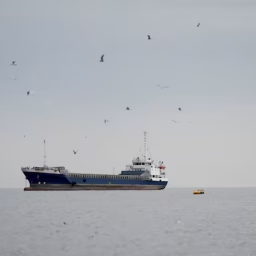
The seizure of the Iranian commercial vessel Touska has become one of the most contentious issues on the table. According to maritime security sources, the ship was believed to carry dual-use items — goods that could serve both civilian and military purposes.
The US Central Command stated that the vessel’s crew ignored multiple warnings over a six-hour period before the blockade was enforced. China, which remains the largest importer of Iranian crude, has voiced concern over what it called a “forced interception.”
Iran’s foreign ministry has demanded the immediate release of the vessel and its crew, warning that Tehran will use all available means to safeguard its national security. “The United States would bear full responsibility for any further escalation in the region,” the ministry said, as reported by Iranian state media.
The Human and Economic Toll
Since the conflict began on February 28, thousands of people have reportedly lost their lives due to US-Israeli strikes on Iran and Israel’s simultaneous ground campaign in Lebanon. The war has delivered a historic shock to global energy markets and raised fears of a worldwide recession if hostilities drag on.
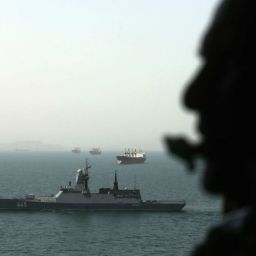
The US blockade of Iranian ports has deeply angered Tehran, prompting Iran to briefly restrict access through the Strait of Hormuz — a waterway that handles roughly one-fifth of the world’s oil and liquefied natural gas supply. Pakistan, acting as a mediator, has been urging Washington to lift the blockade to create a more conducive environment for dialogue.
Trump’s Message: “They’re Going to Negotiate”
Speaking on the John Fredericks Media Network, President Trump expressed confidence that Iran would return to the table. “They’re going to negotiate, and hopefully they’ll make a fair deal, and they’ll build their country back up,” he said, adding firmly that Iran would not be allowed to develop nuclear weapons.
Trump also issued a warning over the weekend, saying the US would destroy every bridge and power plant in Iran if his terms were rejected. Iran responded by stating that any strike on its civilian infrastructure would trigger retaliation against power stations and desalination plants in neighboring Gulf Arab states.
White House Press Secretary Karoline Leavitt, appearing on Fox News’ “Hannity,” said the United States was close to reaching an agreement. According to her, the combination of military success and Trump’s tough negotiating style has placed Washington “on the brink of a deal.” She added that if negotiations fail, the president still has several options available and is “unafraid to use” them.
Pakistan’s Role as Host
Pakistan has been preparing extensively to host the next round of US-Iran peace talks. Nearly 20,000 security personnel have been deployed across Islamabad to ensure safety during the high-stakes discussions. Despite lingering uncertainty about whether the talks will actually take place, Pakistani officials are leaving no room for error.
Islamabad’s mediation role highlights the country’s growing diplomatic influence in regional affairs, positioning it as a key player in de-escalating one of the most dangerous standoffs of the decade.
The Countdown to the Ceasefire’s End
Washington has not officially stated when the two-week ceasefire will expire. However, according to a Pakistani source involved in the talks, it is set to end at 8 p.m. Eastern Time on Wednesday — which translates to midnight GMT or 3:30 a.m. Thursday in Iran.
That tight window leaves little room for miscalculation. Every move, statement, and gesture from either side could tip the balance between peace and renewed conflict.
What’s Next for US-Iran Relations?
The outcome of this round of US-Iran peace talks will shape not only the immediate future of both nations but also global geopolitics and energy markets. A successful deal could restore a sense of stability to the Middle East and ease economic pressure worldwide. Failure, however, could reignite a full-scale conflict with devastating consequences.
For now, the world watches and waits as diplomats, military leaders, and political figures navigate one of the most precarious negotiations of the decade.
Final Thoughts
The US-Iran peace talks stand at a crossroads. With cautious optimism from Washington, tentative willingness from Tehran, and Pakistan playing the role of peacemaker, the coming days could redefine global diplomacy. Yet, as tensions persist and rhetoric sharpens, one truth remains clear — peace, while within reach, is still far from guaranteed.