

A Growing Crisis in the Skies
A looming jet fuel shortage across Europe and Asia could seriously disrupt global travel within just a few weeks, especially if the fragile deal to reopen the Strait of Hormuz falls apart. With summer travel season fast approaching, airlines and passengers alike are bracing for higher airfares, flight cancellations, and widespread uncertainty.
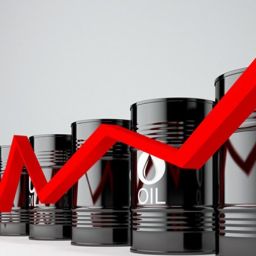
At the heart of this developing crisis is the ongoing Iran war, which has already shaken up oil markets and sent jet fuel prices soaring. Now, concerns are shifting from prices to actual availability, a shift that could bring new headaches for travelers around the world.
What Sparked the Oil and Fuel Shake-Up
Crude oil prices took a sharp dip on Friday after Iran’s foreign minister announced that tankers and commercial ships could once again pass through the Strait of Hormuz. This narrow waterway just off Iran’s coast is critical to the global energy supply, carrying roughly one-fifth of the world’s oil and natural gas.
While the news offered a glimmer of hope, the situation remains tense. President Donald Trump welcomed the announcement but quickly clarified that the United States would continue its blockade of Iranian ships entering or leaving the strait until a formal agreement is reached to end the war. The conflict, which started on February 28 when the U.S. and Israel attacked Iran, has already rattled global markets.
Even with shipments potentially resuming, experts say the oil market will take months to fully recover. And fuel prices tend to drop more slowly than crude oil prices, meaning the impact on airlines and travelers could linger well into the summer season.
Jet Fuel: The Airline Industry’s Biggest Cost
For airlines, jet fuel is the single largest operating expense, accounting for roughly 30 percent of total costs, according to the International Air Transport Association. It is refined from crude oil and is produced alongside gasoline and diesel at refineries before being transported through pipelines, ships, and storage facilities to airports.
Since the war began, jet fuel prices have nearly doubled. And now, shortages could be the next big challenge.
Air Canada has already felt the pressure, announcing Friday that it would cancel service to New York’s John F. Kennedy International Airport from June through October due to surging jet fuel costs. Other airlines are expected to follow suit if the situation worsens.
Europe May Only Have Weeks of Jet Fuel Left
One of the most alarming warnings comes from Fatih Birol, Director of the International Energy Agency. In an exclusive interview with the Associated Press, Birol said Europe may have only “maybe six weeks” of jet fuel supplies remaining.
According to a recent IEA report, several European countries typically hold several months’ worth of jet fuel in reserve. However, many are now relying on fewer than 20 days of coverage, a dramatic drop that has not been seen since 2020.
If supplies fall below 23 days, the report warns, physical shortages could start to emerge at airports, leading to flight cancellations and a drop in demand for air travel. Amaar Khan, head of European jet fuel pricing at Argus Media, put it bluntly when he said that every day the Strait of Hormuz remains closed, Europe moves closer to a major supply crisis. He noted that the strait accounts for around 40 percent of Europe’s jet fuel imports, and no fuel has passed through it since the war began.
How Jet Fuel Reaches Airlines
For most travelers, jet fuel is an invisible part of the flying experience. But understanding how it gets to the plane helps explain why supply issues matter so much.
Airlines purchase jet fuel directly from refineries or fuel companies, much like drivers buy gasoline from gas stations, just on a much larger scale. The fuel is transported through pipelines and shipped via tankers before being stored at airports for airline use.
When supplies run low in a region, it does not mean flights will stop entirely. Some airlines may have larger reserves than others, and bigger carriers often have the financial strength to weather high prices better than smaller competitors. Jacques Rousseau, managing director at financial firm Clearview Energy Partners, explained that larger airlines typically have more resources to absorb fuel cost spikes and maintain operations.
Still, the flights that do continue during shortages are likely to be noticeably more expensive, reflecting the higher cost of fuel.
Which Regions Are Most at Risk?
The regions most vulnerable to jet fuel shortages are those that rely heavily on oil imports from the Middle East. According to Rousseau, Asia-Pacific countries top the list, followed closely by Europe.
While most of Europe’s jet fuel is actually produced within the continent, about 20 to 25 percent of its supply is currently missing due to the war. To help fill the gap, the United States has ramped up its jet fuel exports to Europe significantly. In April alone, the U.S. sent around 150,000 barrels per day to Europe, which is about six times the normal level.
Fortunately for Americans, jet fuel availability is less of a problem in the U.S. itself, thanks to the country’s status as a major oil producer. However, prices are still expected to rise. As Rousseau pointed out, in some parts of the world, the issue will be affordability, while in others, the real concern will be whether fuel is available at all.
How Bad Is the Global Supply Gap?
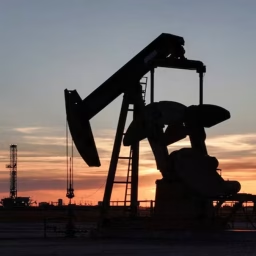
The closure of the Strait of Hormuz has taken a massive toll on global oil supplies. According to Pavel Molchanov, senior investment strategist at Raymond James and Associates, the world is currently losing between 10 million and 15 million barrels of oil per day due to the disruption.
Even though the International Energy Agency has released 400 million barrels of oil from its members’ emergency reserves, that relief won’t arrive quickly. Molchanov warned that it could take until the end of the year to get all of those barrels onto the market, meaning the short-term pain is far from over.
What Travelers Should Expect This Summer
For anyone planning to fly in the coming months, the ripple effects of the fuel crisis could change the travel experience in noticeable ways. Christopher Anderson, a professor at Cornell University specializing in operations and information management, said travelers should prepare for more than just higher ticket prices.
He explained that the issue has evolved from a simple fuel-price problem into a full-blown network planning challenge for airlines. That means travelers could see:
- Longer flight routings to avoid affected airspace
- Reduced scheduling flexibility and fewer flight options
- Greater uncertainty about flight availability even weeks in advance
- Later booking patterns and more schedule volatility
- Fewer low-fare deals, especially during peak summer travel
In other words, finding a cheap or convenient flight this summer may become significantly harder than in past years.
How Airlines Are Responding
Different airlines are taking different approaches to the unfolding crisis. Here is a quick look at how some of the biggest carriers are reacting:
- KLM announced that it will cut 160 flights next month, about 1 percent of its European routes, citing rising kerosene costs and saying some flights are no longer financially viable.
- EasyJet expects a pretax loss of between 540 million and 560 million pounds for the first half of the 2026 fiscal year, though CEO Kenton Jarvis said overall demand remains strong.
- Lufthansa is accelerating the shutdown of its feeder airline CityLine, citing labor disputes and high fuel prices, and is retiring 27 older, less fuel-efficient planes.
- Delta Air Lines said it is monitoring the situation in Europe but does not expect any near-term operational issues, partly thanks to its Philadelphia refinery that helps manage fuel costs.
- Air Canada has already canceled its JFK route for several months.
Some carriers, including U.S. airlines Delta, United, American Airlines, Southwest, and JetBlue, have already started passing on costs to travelers by raising checked baggage fees and embedding higher prices into tickets. International carriers have done the same. Cathay Pacific recently raised fuel surcharges by about 34 percent across all routes, Air India added up to 280 dollars in fees to some flights, and Emirates, Lufthansa, and KLM have all made adjustments to keep up with volatile fuel prices.
What This Means for the Airline Industry
The jet fuel shortage is shaping up to be one of the most disruptive events the global aviation industry has faced in years. If the Strait of Hormuz remains closed or partially blocked, the consequences could stretch far beyond just rising ticket prices.
Some of the bigger trends we may see include:
- A shift toward fewer but larger airlines as smaller carriers struggle to absorb costs
- Greater reliance on fuel-efficient aircraft and modernization efforts
- Increased investment in alternative fuel sources and sustainable aviation fuel
- More volatility in airline stocks and investor sentiment
- A possible long-term reshaping of international flight networks
For travelers, this may also signal a new era of flying, one that is less predictable, more expensive, and requires more flexibility and planning than before.
Final Thoughts
The global jet fuel shortage triggered by the Iran war and the ongoing Strait of Hormuz situation is quickly becoming one of the most pressing challenges for the aviation industry and travelers worldwide. With Europe potentially only weeks away from supply issues and Asian markets heavily dependent on Middle Eastern oil, the next few months could bring major changes to how we fly.
While larger airlines are better positioned to weather the storm, smaller carriers and budget-conscious travelers are likely to feel the impact first. Higher fares, fewer flight options, and increasing fees could become the new normal, at least for the foreseeable future.
Whether this crisis eases with a diplomatic resolution or deepens into a long-term fuel supply problem, one thing is clear. The skies ahead look more turbulent than ever, and both airlines and travelers will need to adapt to a rapidly changing global energy landscape.